Hōtokuji Temple
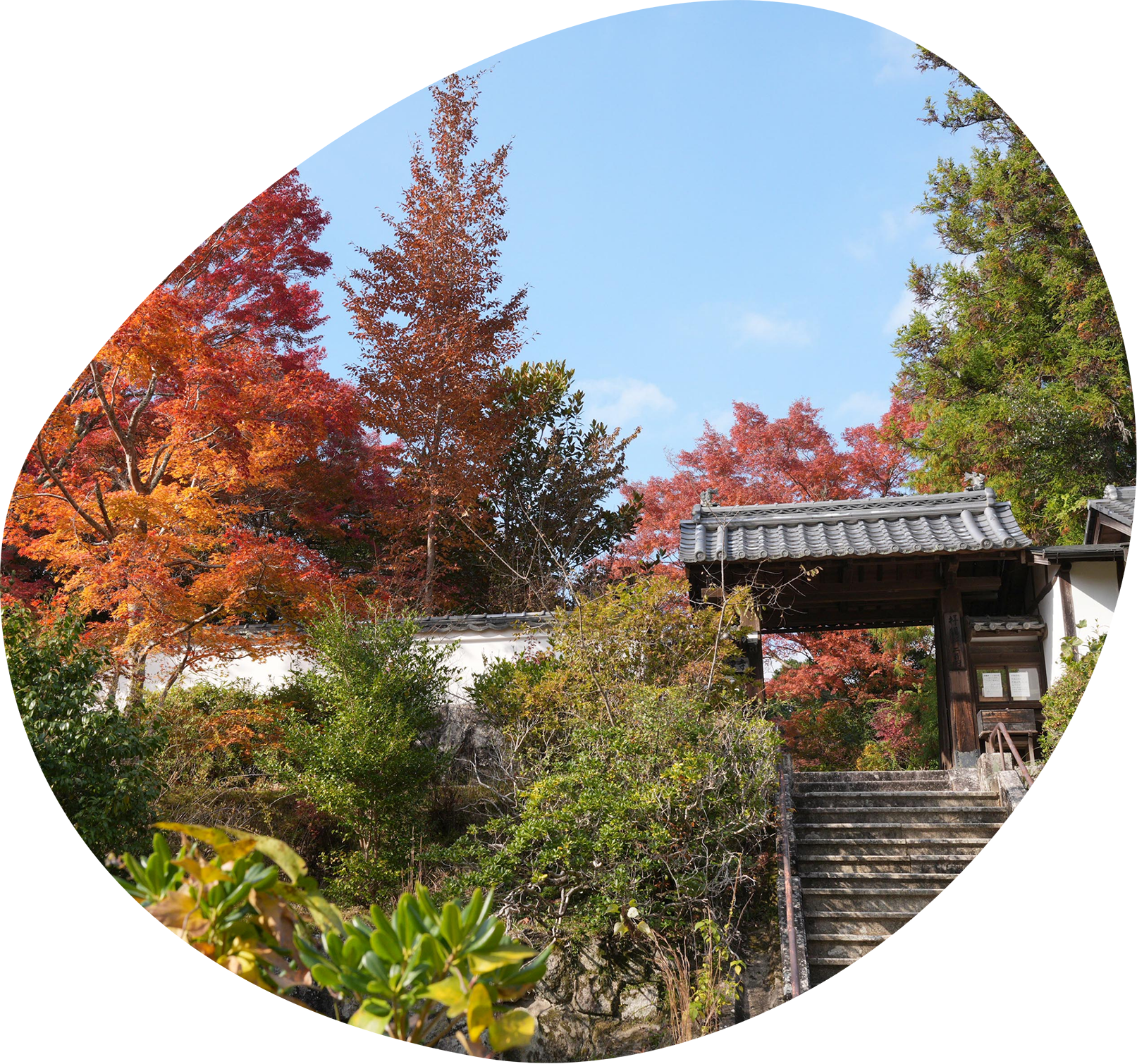
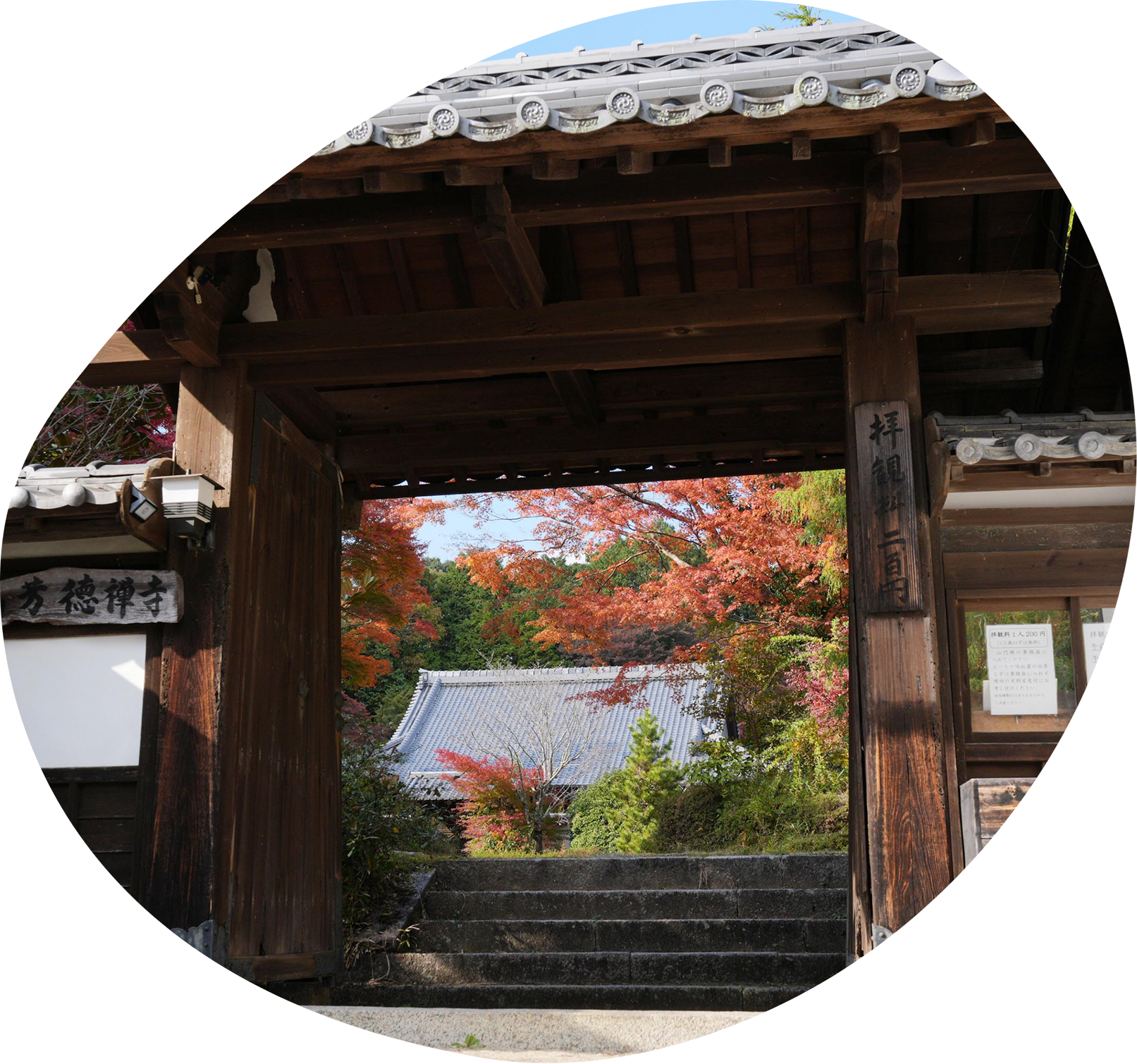
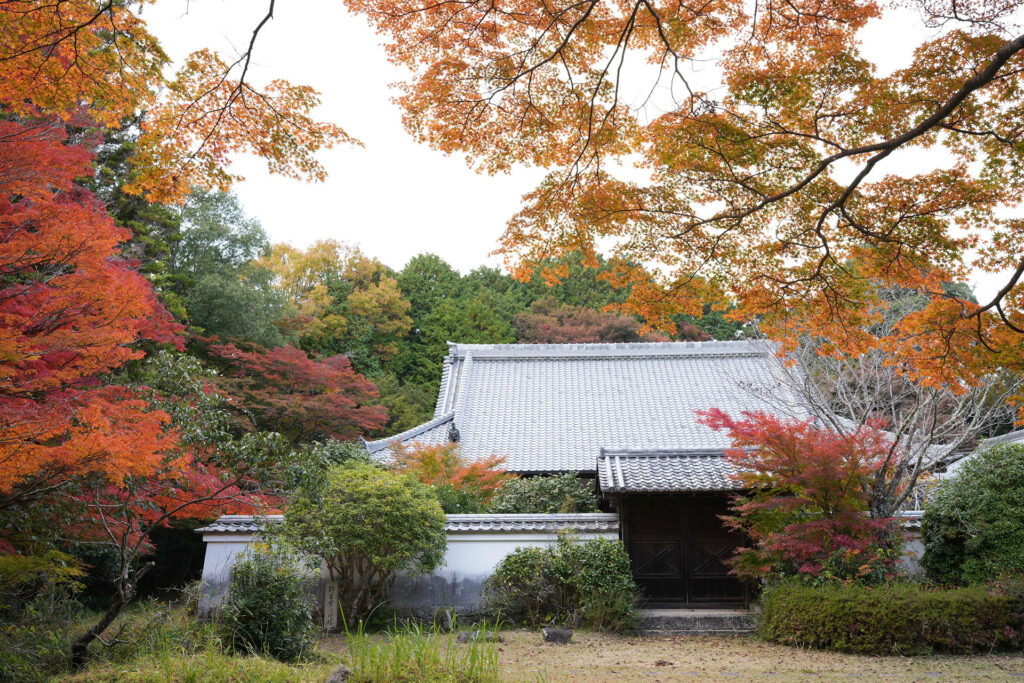
Hōtokuji Temple was founded by Yagyū Munenori in memory of his father, Yagyū Muneyoshi (Sekishūsai). Munenori asked his close friend, the renowned Zen monk Takuan, to serve as the temple’s first abbot. However, Takuan declined, as he disliked remaining in one place. Instead, the position was taken by Munenori’s son, Retsudō. He was the child of Ofuji, a woman whom Munenori fell in love with while passing through the village, and later took as a concubine.
The Yagyū Shinkage-ryū school of swordsmanship, refined and perfected by the Yagyū family, was philosophical in nature, placing emphasis on preserving life rather than killing one’s opponent. It flourished during the Edo period, when there was little need for warfare, giving rise to famed swordsmen such as Yagyū Jūbei, and the skills were handed down through generations. During temple restorations in the Taishō period, the Masakizaka Dōjō, run by the Yagyū family, was also rebuilt. In addition to swordsmanship training, the dojo was a space for zazen meditation. The characteristics of a Shinkage-ryū training hall, incorporating the strong influence of Zen thought, are attributed to the monk Takuan.
Hōtokuji Temple was built in 1638 to serve as the family temple of the Yagyū, daimyo who governed the Yagyū domain, in eastern Nara. The Yagyū are most famous for developing their own branch of Shinkage-ryū (literally, “new shadow school”) swordsmanship.
The Shinkage-ryū school was established by the swordsman Kamiizumi Nobutsuna (1508–1577), who took on Yagyū Muneyoshi (ca. 1527–1606) as one of his students. Muneyoshi expanded on Kamiizumi’s teachings to create his own distinct sword style, which is now referred to as Yagyū Shinkage-ryū. The Yagyū branch of Shinkage-ryū blends Zen practice with swordsmanship and emphasizes liberation of the mind through discipline. It also focuses on disarming the opponent rather than killing them. These principles take direct influence from The Unfettered Mind (Fudōchi shinmyōroku), a treatise by the Zen Buddhist monk Takuan Sōhō (1573–1645).
Takuan was an eccentric monk whose outspokenness earned him the fury of bureaucrats and the devotion of lifelong friends, including Muneyoshi’s son Munenori (1571–1646). When Munenori founded Hōtokuji, he designated it a Zen temple with the hope of appointing Takuan its head priest. However, Takuan was known to avoid responsibility, and he soon departed to continue his travels. Munenori’s son Retsudō (1636–1702) took over as the temple’s first official head priest.
Although Hōtokuji was destroyed by fire in 1711, it was rebuilt soon afterward and expanded by subsequent generations of the Yagyū family. Despite this steady growth, Hōtokuji faced closure when government reforms stripped the family of control over the Yagyū domain in the 1870s. The temple was revived decades later, when one of the family’s descendants made a significant donation to restore the main hall. The Main Hall enshrines statuary that survived the fire, including statues of Takuan, Munenori, Retsudō, and Shakyamuni Buddha.
Yagyū Shinkage-ryū is now taught throughout Japan, and many practitioners are drawn to Hōtokuji as the historic center of Yagyū philosophy. The temple’s cemetery is also the final resting place for several generations of the Yagyū family, including Munenori’s eldest son, Mitsuyoshi, known to history as the famous swordsman Yagyū Jūbei (1607–1650).
Highlights
-
Masakizaka Dojo
Masakizaka Dojo is modeled after a dojo of the same name that was run by the Yagyū family. At the original Masakizaka Dojo, the renowned swordsman Yagyū Jūbei (1607–1650) is said to have taught more than 13,000 pupils in the art of Shinkage-ryū swordsmanship. Shinkage-ryū had been passed down to Jūbei’s grandfather Muneyoshi (ca. 1527–1606) by the school’s founder, the master swordsman Kamiizumi Nobutsuna (1508–1577). Jūbei’s father, Munenori (1571–1646), then blended Zen Buddhist practice with martial arts to form the Yagyū branch of Shinkage-ryū.
The current dojo, which was built in 1965 with wood from Kōfukuji Temple’s Ichijōin Hall, is one of the few wooden dojos left in Japan. Its traditional construction and large size make it a desirable film location. Once, during filming of a popular historical drama series, an actor broke through the floor during a choreographed stunt. Traces of the hole are still visible.
Today, Masakizaka Dojo continues to host and conduct training retreats for various martial-arts groups. The tatami-covered platforms that line the perimeter of the dojo are designed for Zen-style seated meditation.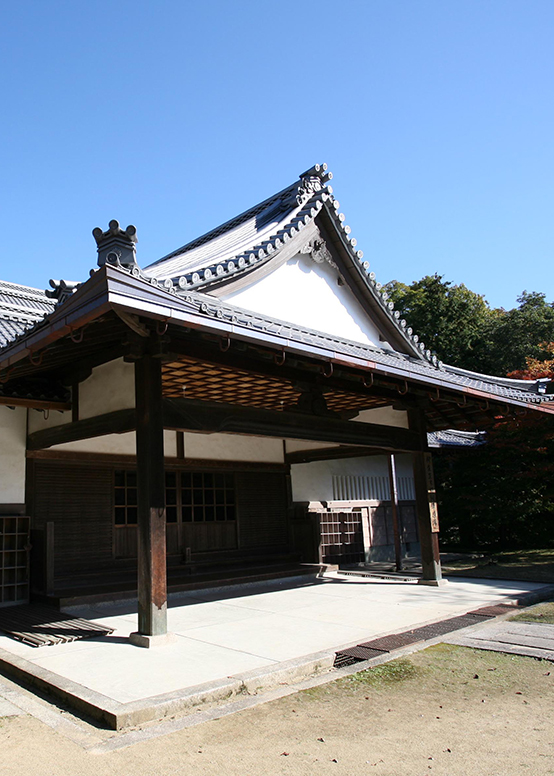
Masakizaka Dojo is modeled after a dojo of the same name that was run by the Yagyū family. At the original Masakizaka Dojo, the renowned swordsman Yagyū Jūbei (1607–1650) is said to have taught more than 13,000 pupils in the art of Shinkage-ryū swordsmanship. Shinkage-ryū had been passed down to Jūbei’s grandfather Muneyoshi (ca. 1527–1606) by the school’s founder, the master swordsman Kamiizumi Nobutsuna (1508–1577). Jūbei’s father, Munenori (1571–1646), then blended Zen Buddhist practice with martial arts to form the Yagyū branch of Shinkage-ryū.
The current dojo, which was built in 1965 with wood from Kōfukuji Temple’s Ichijōin Hall, is one of the few wooden dojos left in Japan. Its traditional construction and large size make it a desirable film location. Once, during filming of a popular historical drama series, an actor broke through the floor during a choreographed stunt. Traces of the hole are still visible.
Today, Masakizaka Dojo continues to host and conduct training retreats for various martial-arts groups. The tatami-covered platforms that line the perimeter of the dojo are designed for Zen-style seated meditation. -
Yagyū Family Cemetery
The Yagyū Family Cemetery is nestled in the grove behind Hōtokuji Temple. Twelve generations of the family are laid to rest here, beginning with Yagyū Munenori (1571–1646). Hōtokuji was built by Munenori in honor of his father, Muneyoshi (ca. 1527–1606), who had taught him the Yagyū Shinkage-ryū swordsmanship that brought the family fame. Munenori further developed the Yagyū teachings and passed them on to his own children, including Mitsuyoshi (1607–1650), who later became the renowned swordsman Yagyū Jūbei.
There are 86 graves and memorials in the cemetery, dating from the sixteenth to nineteenth centuries. Most of the gravestones are conventional in design, but two graves were built to reflect the character of the deceased. One grave is carved in the shape of a turtle, a symbol of longevity; it marks the grave of a family member who lived a long life. The other grave is carved in the shape of a sake bottle and cup, marking the resting place of an enthusiastic drinker.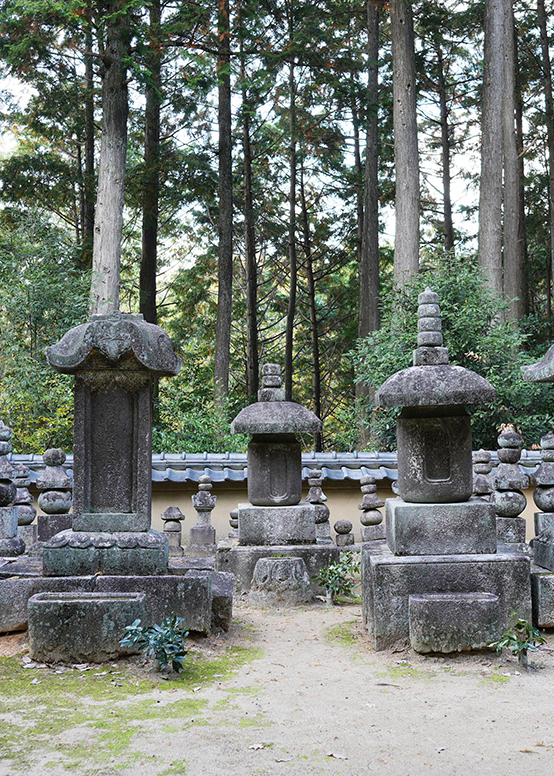
The Yagyū Family Cemetery is nestled in the grove behind Hōtokuji Temple. Twelve generations of the family are laid to rest here, beginning with Yagyū Munenori (1571–1646). Hōtokuji was built by Munenori in honor of his father, Muneyoshi (ca. 1527–1606), who had taught him the Yagyū Shinkage-ryū swordsmanship that brought the family fame. Munenori further developed the Yagyū teachings and passed them on to his own children, including Mitsuyoshi (1607–1650), who later became the renowned swordsman Yagyū Jūbei.
There are 86 graves and memorials in the cemetery, dating from the sixteenth to nineteenth centuries. Most of the gravestones are conventional in design, but two graves were built to reflect the character of the deceased. One grave is carved in the shape of a turtle, a symbol of longevity; it marks the grave of a family member who lived a long life. The other grave is carved in the shape of a sake bottle and cup, marking the resting place of an enthusiastic drinker. -
Statue of Yagyū Munenori
Hōtokuji Temple was founded by Yagyū Munenori (1571–1646), one of the most accomplished swordsmen of his family. He fought valiantly at the Battle of Sekigahara alongside Tokugawa Ieyasu (1543–1616), a powerful warlord who went on to unite Japan under the Tokugawa shogunate. Munenori, who was a close friend of the Tokugawa family, taught the art of the sword to Ieyasu’s son Hidetada (1578–1632). This statue was commissioned for the seventh anniversary of Munenori’s death.
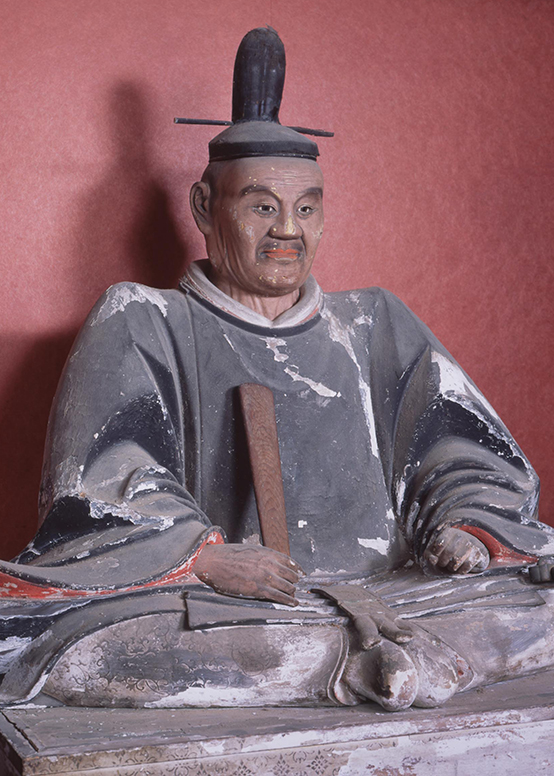
Hōtokuji Temple was founded by Yagyū Munenori (1571–1646), one of the most accomplished swordsmen of his family. He fought valiantly at the Battle of Sekigahara alongside Tokugawa Ieyasu (1543–1616), a powerful warlord who went on to unite Japan under the Tokugawa shogunate. Munenori, who was a close friend of the Tokugawa family, taught the art of the sword to Ieyasu’s son Hidetada (1578–1632). This statue was commissioned for the seventh anniversary of Munenori’s death.
-
Statue of Shakyamuni
This statue of Shakyamuni, the historical Buddha, dates to the seventeenth century. It has been the principal object of worship at Hōtokuji since the temple’s founding in 1638. It is accompanied by statues of Kashō and Ananda, disciples of Shakyamuni.
This statue of Shakyamuni, the historical Buddha, dates to the seventeenth century. It has been the principal object of worship at Hōtokuji since the temple’s founding in 1638. It is accompanied by statues of Kashō and Ananda, disciples of Shakyamuni.
-
Statue of Takuan
Takuan Sōhō (1573–1645) was a prominent Zen Buddhist monk and a close friend of the swordsman Yagyū Munenori. He turned down an invitation to become head priest of Hōtokuji Temple, preferring his unfettered lifestyle of wandering the country. His teachings greatly influenced the Zen-inspired sword style practiced by the Yagyū family. This statue was commissioned by Retsudō, the first official head priest.
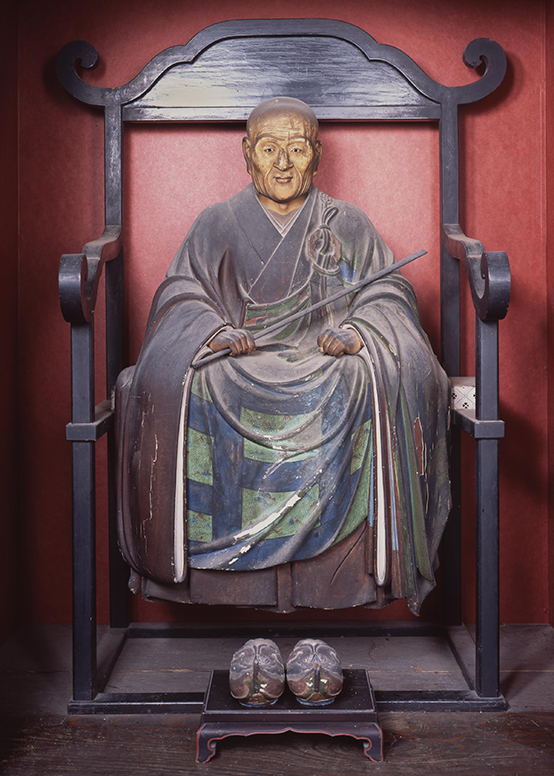
Takuan Sōhō (1573–1645) was a prominent Zen Buddhist monk and a close friend of the swordsman Yagyū Munenori. He turned down an invitation to become head priest of Hōtokuji Temple, preferring his unfettered lifestyle of wandering the country. His teachings greatly influenced the Zen-inspired sword style practiced by the Yagyū family. This statue was commissioned by Retsudō, the first official head priest.
-
Statue of Retsudō
Retsudō (1636–1702) was the fourth son of Yagyū Munenori. At 11 years old, he was sent to study Buddhism at Daitokuji Temple, in Kyoto. He later returned to serve as the first head priest of Hōtokuji Temple after Takuan turned down the position. His grave is in the priests’ cemetery.
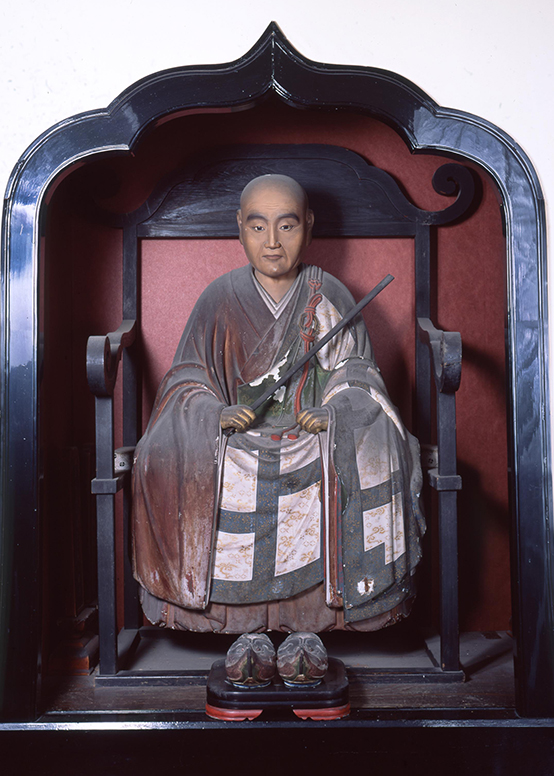
Retsudō (1636–1702) was the fourth son of Yagyū Munenori. At 11 years old, he was sent to study Buddhism at Daitokuji Temple, in Kyoto. He later returned to serve as the first head priest of Hōtokuji Temple after Takuan turned down the position. His grave is in the priests’ cemetery.
-
Foundational Texts of Yagyū Shinkage-ryū
Hōtokuji Temple displays early writings related to the Yagyū family’s art of Shinkage-ryū swordsmanship. Yagyū teachings are centered around the Zen concept of “no mind,” a completely natural state in which consciousness cannot interfere with action. They also focus on disarming an adversary rather than killing them, with most techniques targeting the opponent’s hands.
The Yagyū tradition was developed by Yagyū Muneyoshi (ca. 1527–1606), who applied Zen concepts to the teachings of his master, Kamiizumi Nobutsuna (1508–1577) to form a distinct branch of Shinkage-ryū. An early record of Yagyū Shinkage-ryū techniques and philosophy by Muneyoshi is displayed at Hōtokuji.
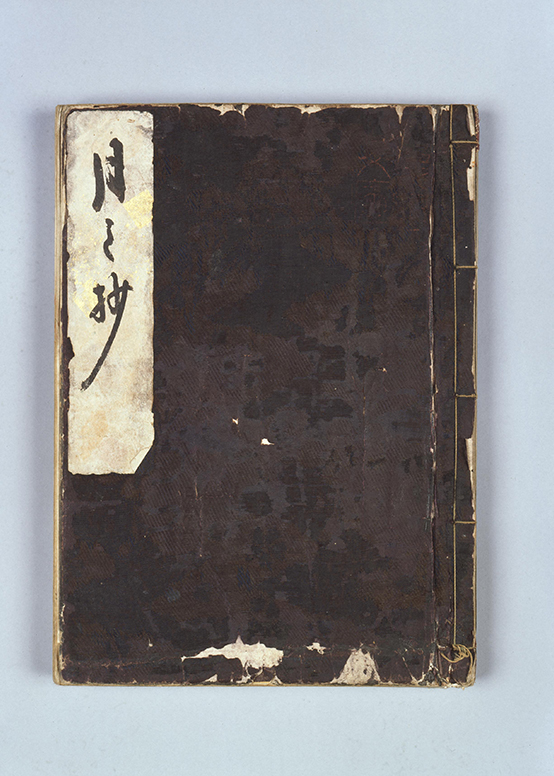
Another key text on display is Tsuki no shō (Notes on the Moon). This book was penned by Muneyoshi’s grandson Mitsuyoshi, who made a name for himself as the legendary swordsman Yagyū Jūbei (1607–1650). According to tradition, Jūbei turned down a summons to serve the shogun and instead spent 12 years researching and perfecting Shinkage-ryū. In his book, Jūbei explains the name Shinkage-ryū, which translates to “new shadow school.” He states that the school is characterized by yin, the “negative” or “shadow” half of the Chinese concept of yin and yang. Like a sword, a Shinkage-ryū practitioner is passive and aims neither to win nor lose. They respond to the advances of an opponent by upholding mind over body and remaining focused on defense.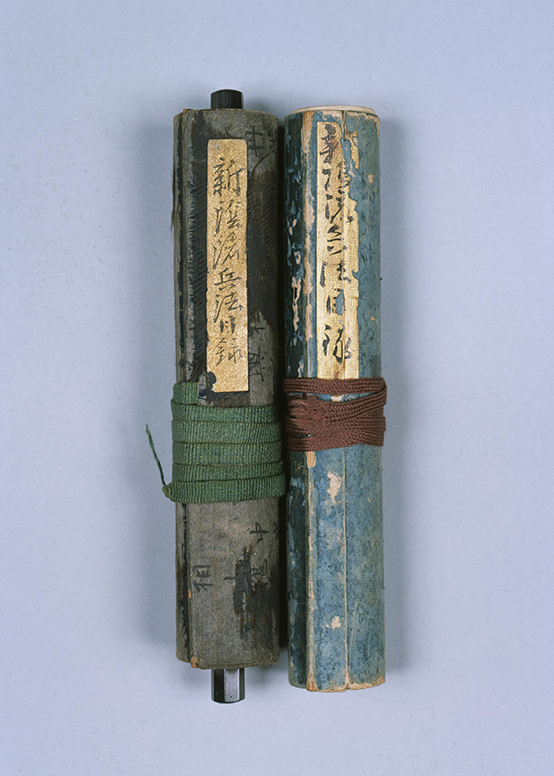
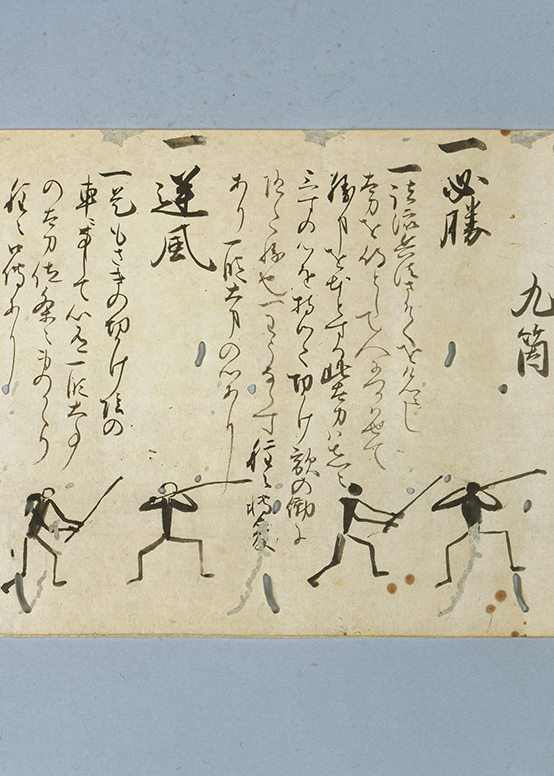
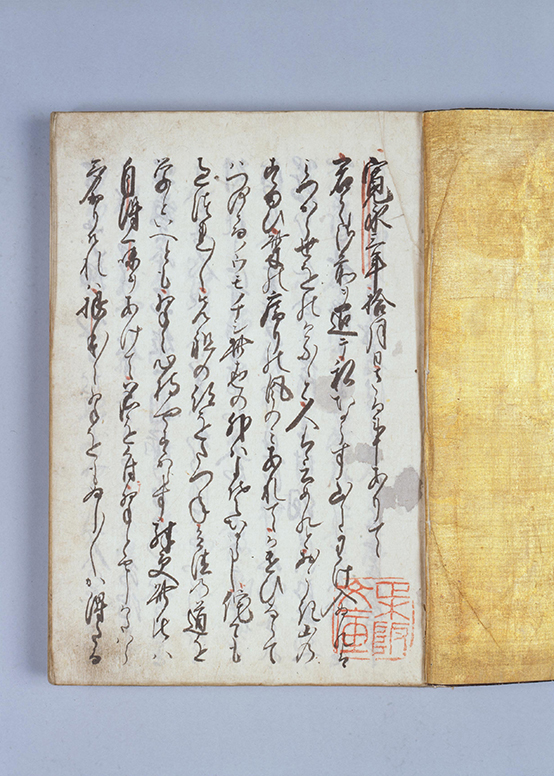
Hōtokuji Temple displays early writings related to the Yagyū family’s art of Shinkage-ryū swordsmanship. Yagyū teachings are centered around the Zen concept of “no mind,” a completely natural state in which consciousness cannot interfere with action. They also focus on disarming an adversary rather than killing them, with most techniques targeting the opponent’s hands.
The Yagyū tradition was developed by Yagyū Muneyoshi (ca. 1527–1606), who applied Zen concepts to the teachings of his master, Kamiizumi Nobutsuna (1508–1577) to form a distinct branch of Shinkage-ryū. An early record of Yagyū Shinkage-ryū techniques and philosophy by Muneyoshi is displayed at Hōtokuji.
Another key text on display is Tsuki no shō (Notes on the Moon). This book was penned by Muneyoshi’s grandson Mitsuyoshi, who made a name for himself as the legendary swordsman Yagyū Jūbei (1607–1650). According to tradition, Jūbei turned down a summons to serve the shogun and instead spent 12 years researching and perfecting Shinkage-ryū. In his book, Jūbei explains the name Shinkage-ryū, which translates to “new shadow school.” He states that the school is characterized by yin, the “negative” or “shadow” half of the Chinese concept of yin and yang. Like a sword, a Shinkage-ryū practitioner is passive and aims neither to win nor lose. They respond to the advances of an opponent by upholding mind over body and remaining focused on defense.

The Legacy of the Yagyū Family and
Shinkage-ryū Swordsmanship
According to local legend, the swordsman Yagyū Munenori (1571–1646) was riding through the village of Sakahara when he noticed a beautiful woman washing clothes at a well. Munenori stopped and asked her how many ripples she had made in the water. The woman, known as Ofuji, cleverly responded “twenty-one.” This is a pun on the word “ripple” (nami) in Japanese, since 7 (na) multiplied by 3 (mi) equals 21. In another version of the tale, Ofuji turns the question back to Munenori, asking him how many steps his horse had taken. Munenori was enamored with Ofuji’s quick wit, and their fateful encounter helped open a new chapter for the Yagyū family. Together, they had a son, Retsudō, who became the first head priest of the family temple. This cherished legend reveals the intellect that was treasured by the Yagyū family, as demonstrated in the family’s most significant contribution to Japanese history: the Yagyū branch of swordsmanship.
The Yagyū family is famous for their mastery of Shinkage-ryū (literally, “new shadow school”) swordsmanship. The Yagyū branch of Shinkage-ryū was established by Munenori’s father, Muneyoshi (ca. 1527–1606), who expanded upon the teachings of his master, Kamiizumi Nobutsuna (1508–1577), to form a distinct fighting style. Father and son were both prominent swordsmen who taught Shinkage-ryū swordsmanship to the ruling Tokugawa shoguns.
In 1632, Munenori added his own final touch to his father’s teachings in Heihō kadensho (A Hereditary Book on the Art of War). Munenori was deeply influenced by his close friend, the eccentric monk Takuan (1573–1645), who applied Zen philosophy to swordsmanship. Of particular importance was Takuan’s concept of “no-mind,” a state in which the mind is free from distraction and flows freely in response to the environment. Consequently, Shinkage-ryū is more concerned with philosophy than it is with harming an opponent. In fact, the style’s techniques target the hands, aiming to disarm rather than kill. This was likely the key to the school’s success in the peaceful Edo period (1603–1867). With no actual battles to be fought, many samurai abandoned the battlefield for intellectual pursuits.
The most famous Yagyū swordsman is Munenori’s eldest son, Mitsuyoshi (1607–1650), who is also known to history as Yagyū Jūbei. According to legend, Jūbei declined the shogun’s summons and instead spent over a decade honing his craft. He then published his own treatise, Tsuki no shō (Notes on the Moon), which describes Yagyū Shinkage-ryū as a school that “aims not to slash, not to take, not to win, not to lose.” By building upon the writings of previous generations, the family developed Yagyū Shinkage-ryū into a sophisticated school of martial arts focused on self-defense and cultivating the mind. It continues to be practiced across the country.
The enduring legacy of Yagyū swordsmanship and philosophy draws many Yagyū Shinkage-ryū practitioners to the historic heart of the Yagyū family’s former home in the mountains of eastern Nara.